



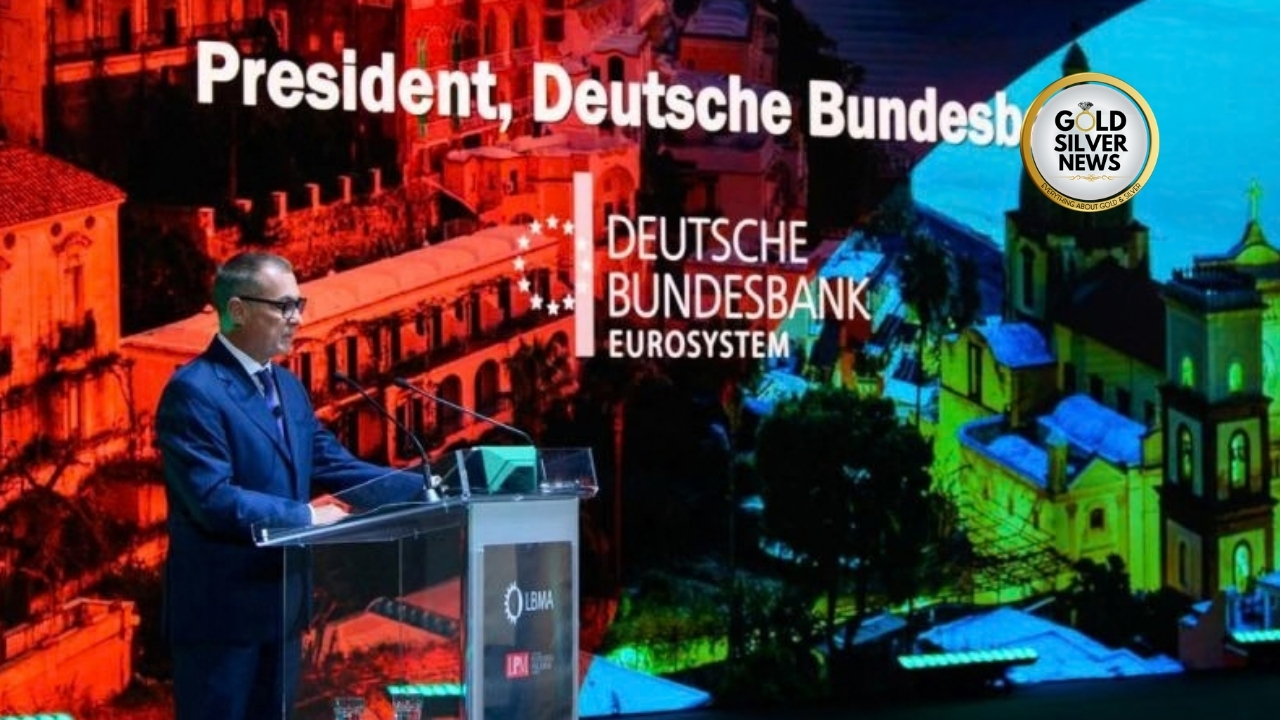
The LBMA Global Precious Metals Conference in Sorrento, Italy, opened its speaker sessions with discussions covering geopolitics, monetary policy, precious metals markets and the changing role of gold in global reserves. A key highlight of Day 1 was the keynote address by Joachim Nagel, President of the Deutsche Bundesbank, who examined how geopolitical fragmentation is reshaping the global economy and central bank reserve strategies.
Check out the latest Gold, Silver prices in MCX, International Market, Sarafa and your city on https://goldpricetodaynews.com/
Joachim Nagel Highlights Gold’s Growing Importance for Central Banks
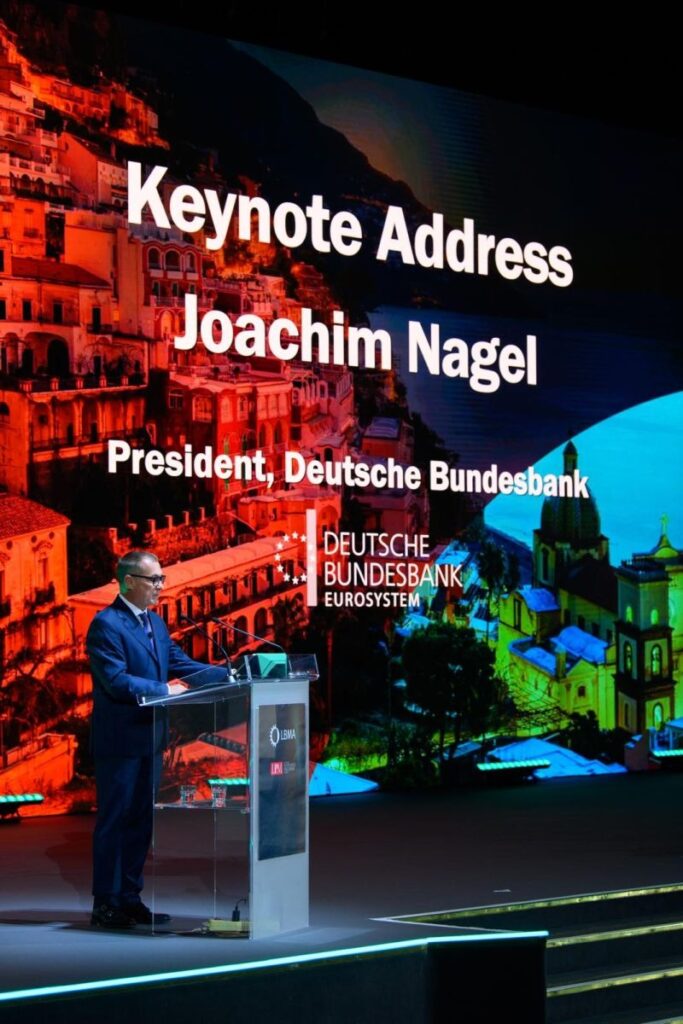
Speaking at the conference, Joachim Nagel focused on how the increasingly fragmented geopolitical environment is affecting economic growth, inflation, monetary policy and reserve management.
Reflecting on the volatility of recent years, Nagel noted that the combination of post-pandemic inflation, geopolitical tensions and supply-chain disruptions would have been difficult to anticipate. Despite these challenges, he said the global economy has demonstrated considerable resilience.
Economic growth has remained broadly stable, while global trade continues to expand. Investment in areas such as artificial intelligence, digitalisation, defence and energy security is also contributing to economic activity across Europe.
However, Nagel warned that geopolitical developments continue to create inflation risks. Higher energy costs, supply shortages and trade disruptions can eventually influence companies’ pricing decisions and wage negotiations if they persist.
He stressed that central banks cannot prevent an initial shock caused by higher energy prices, but they must remain alert to the possibility that temporary shocks could develop into more persistent inflation.
Against this backdrop, Nagel reiterated the European Central Bank’s data-dependent approach to monetary policy, highlighting the importance of maintaining flexibility as economic conditions evolve.
Gold’s Role in Central Bank Reserves Enters a New Phase

Nagel’s discussion then turned to gold and its changing position within central bank reserve portfolios.
Reserve assets are maintained to provide liquidity, safety and confidence during periods of financial stress, while central banks also have to consider returns when deciding how to allocate their reserves.
Nagel described the evolution of gold’s role over roughly the past 75 years in three stages: “anchor, retreat and return”.
During the Bretton Woods era, gold was at the heart of the international monetary system. It accounted for nearly 70% of global central bank reserves in 1950.
Following the collapse of Bretton Woods and the expansion of international financial markets, gold gradually became less prominent. Central banks increasingly accumulated foreign exchange reserves and government securities.
That trend changed following the global financial crisis. Lower interest rates and rising geopolitical risks contributed to renewed central bank demand for gold, with central banks becoming net buyers of the precious metal.
Why Geopolitical Risks Are Supporting Gold Demand
Nagel pointed to characteristics that make physical gold different from conventional financial securities.
Gold carries no counterparty risk, while physical holdings cannot easily be frozen or restricted in the same way as certain financial assets. These characteristics have become increasingly relevant in an environment shaped by sanctions, geopolitical competition and uncertainty.
Although the share of gold in global reserves has risen substantially in recent years, partly because of higher gold prices, Nagel suggested that the strategic case for diversification remains strong.
Rising geopolitical tensions, concerns over sovereign debt and the need for greater resilience are among the factors supporting gold’s role within central bank reserve portfolios.
His broader message was that geopolitics is likely to remain an important force shaping the global economy, affecting growth, inflation, monetary policy and reserve-management decisions.
For central banks, gold is no longer simply a commodity. It is increasingly viewed as a strategic asset that can provide diversification, security and confidence in an uncertain world.
Global Precious Metals Conference Day One Sessions in Sorrento
The first day of the Global Precious Metals Conference in Sorrento, Italy, featured a wide range of sessions covering gold, platinum-group metals, monetary policy, digital gold and developments across precious metals markets.
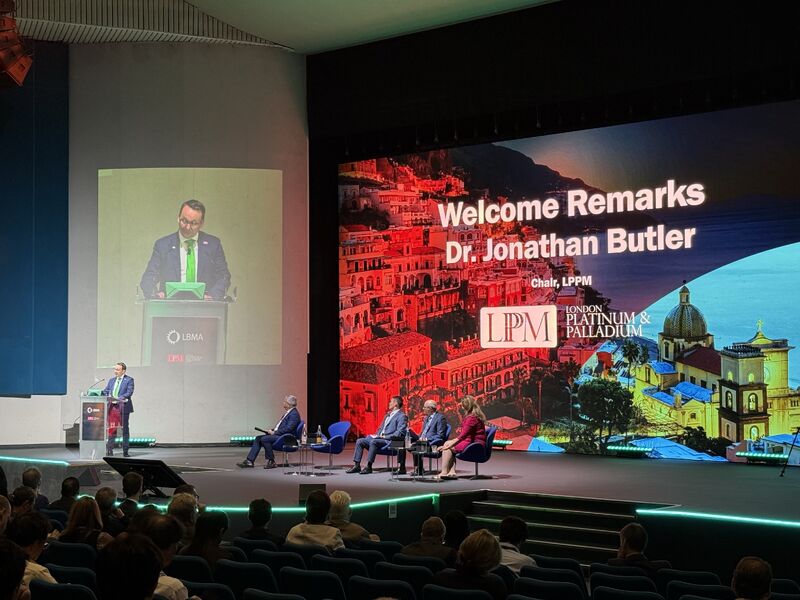
The speaker programme began with opening remarks from Peter Zoellner of LBMA, followed by contributions from Dr Jonathan Butler of the London Platinum and Palladium Market (LPPM), Dr Zenghui of the Shanghai Gold Exchange, Ruth Crowell of LBMA and Sergio Nicoletti Altimari of Banca d’Italia.
The programme then featured the keynote address from Joachim Nagel of Deutsche Bundesbank, alongside Peter Zoellner.
‘Structural Story, Tactical Trade’ Session Examines Debasement Narrative
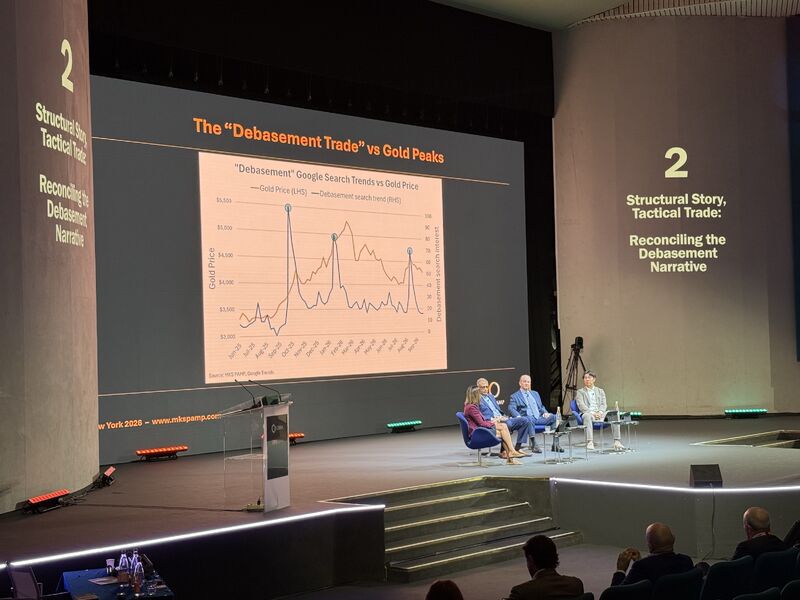
Another Day One session, titled ‘Structural Story, Tactical Trade: Reconciling the Debasement Narrative’, brought together experts to discuss the longer-term investment narrative surrounding precious metals and currency debasement.
The session was moderated by Nicky Shiels of MKS PAMP, with panellists Vikram Dhawan of Nippon India Mutual Fund, Shayne McGuire of Teacher Retirement System of Texas and Wei YAN of Dymon Asia Capital.
The discussion added an investment perspective to the broader themes surrounding gold, monetary policy and changing market conditions.
Afternoon Sessions Turn to PGMs and Digital Gold
Following the lunch break, Day One continued with a session focused on the producer’s perspective on PGMs.
The session featured Rupen Raithatha of Johnson Matthey, Dr David Jollie of Valterra Platinum, Eleonora Rubini of Mastermelt Group of Companies and Toby Green of BASF Metivo.
The programme then moved to a Hot Topics session on digital gold, bringing together Allan Guild, James Chapman of Hilltop Walk Consulting, Vincent Domien of ICBC Standard Bank Plc, Mike Oswin of the World Gold Council and James Willis of HSBC.
The digital-gold discussion reflected the conference’s broader focus on how technology and changing financial structures are influencing the precious metals industry.
Day One Concluded With Champagne Roundtables
The first day of the conference concluded with the highly anticipated Champagne Roundtables, where delegates continued discussions on several important industry themes.
Topics include Trends in Central Bank Gold Reserve Management, Asia Market Developments, All Things PGM, and other developments across the global precious metals sector.
Taken together, the Day One programme places gold at the centre of a much wider discussion about geopolitics, monetary stability, financial resilience and the future of central bank reserves.
FAQ’s
1. What did Joachim Nagel discuss at the LBMA Global Precious Metals Conference?
Joachim Nagel discussed the impact of geopolitical fragmentation on the global economy, inflation and monetary policy. He also examined how gold’s role in central bank reserves had evolved and why physical gold had become increasingly relevant as a strategic reserve asset amid geopolitical and financial uncertainty.
2. What were the three phases of gold’s role in central bank reserves?
Nagel described gold’s evolution over the past 75 years through three phases: “anchor, retreat and return”. Gold had been central to the Bretton Woods monetary system before losing prominence after its collapse. Following the global financial crisis, central banks increasingly returned to gold as geopolitical and financial risks increased.
3. Why had central banks increased their interest in gold?
Central banks had shown greater interest in gold because it offered diversification and did not carry counterparty risk. Physical gold also could not easily be frozen or restricted like certain financial assets, making its characteristics particularly relevant during periods of sanctions, geopolitical tensions and financial uncertainty.
4. How did geopolitics affect gold and central bank reserves?
Geopolitical tensions had influenced how central banks considered the safety, liquidity and resilience of their reserve portfolios. Rising uncertainty, sovereign debt concerns and potential financial restrictions had strengthened the case for diversification, while gold’s physical nature had supported its continued strategic importance within central bank reserves.
5. What other sessions were held during Day One of the conference?
Day One also included ‘Structural Story, Tactical Trade: Reconciling the Debasement Narrative’, a producer-focused PGM session and a Hot Topics discussion on digital gold. The day was scheduled to conclude with Champagne Roundtables covering subjects including central bank gold reserve management, Asian markets and PGMs.
Gold Price Today Digital Media Network
Facebook Page (129K Followers)- https://www.facebook.com/Goldsilverpricetoday
Facebook group of (80K Jewellers Member – Sunar Jewellers Ekta – https://www.facebook.com/groups/goldsilverpricenews
Website (100000 Users)- https://ohq.plp.mybluehostin.me/
Instagram (51K Followers)- https://www.instagram.com/goldpricetodaynews/
X- https://twitter.com/today_gold
Telegram Group (2000 Members)- https://telegram.me/goldsilverprice
Magazine (20000 Digital Subscribers): Gold Silver News For Magazine Subscription Contact +919111435279
Whatsapp News(25000 Members): +918448469588