



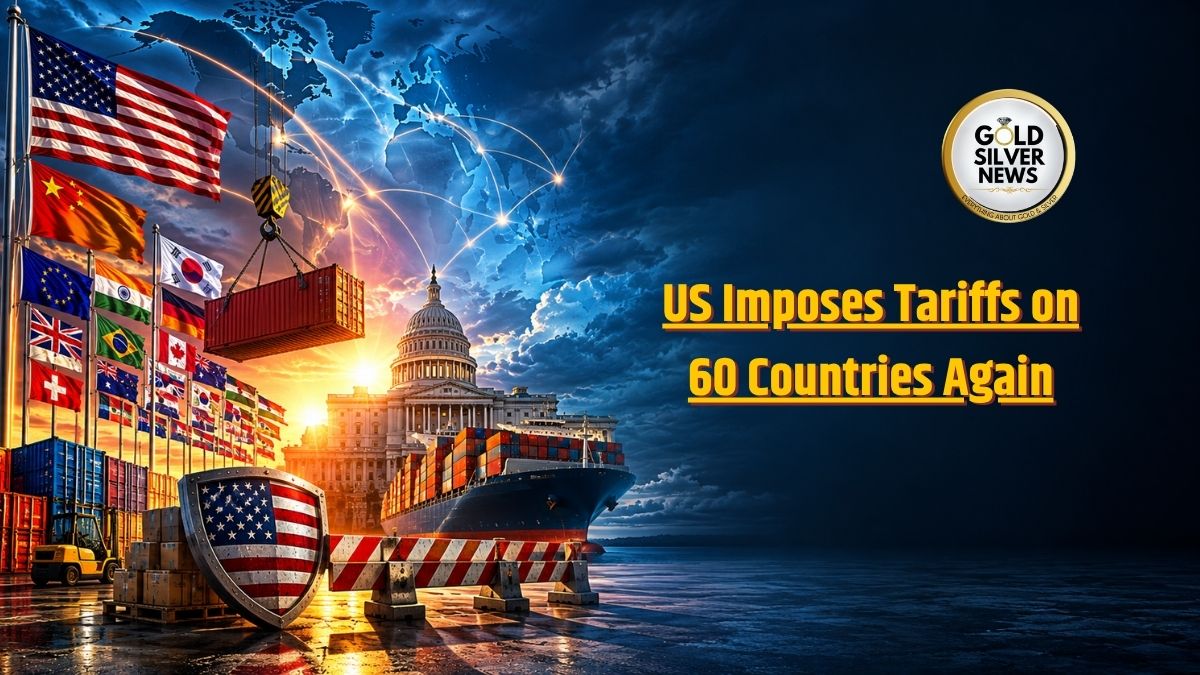
US Tariffs: The global trade landscape is facing a major shakeup as the Office of the U.S. Trade Representative has proposed new tariffs of up to 12.5% on imports from 60 economies. In a sweeping and aggressive move, the U.S. government is targeting economies that have failed to implement strict bans on goods produced using forced labor. This bold policy shift aims to protect domestic interests, level the playing field for American workers, and rebuild the trade barriers that were recently struck down by the U.S. Supreme Court.
The Section 301 Investigation and Trump’s Tariff Push
Following a comprehensive Section 301 investigation under the Trade Act of 1974, the Office of the U.S. Trade Representative (USTR) concluded that the failure of these 60 economies to enforce forced-labor bans puts American workers at a distinct disadvantage.
In a direct effort to rebuild the sweeping tariff walls recently dismantled by the Supreme Court, President Donald Trump is proposing import tariffs of at least 10% on most major trading partners based on the findings of this forced labor probe.
A New Two-Tiered Tariff Structure
To execute this, the USTR has proposed a strict two-tiered tariff system that categorizes countries based on their current labor laws:
- 10% Duty Rate: This baseline tariff will apply to economies that currently have full or partial bans on forced labor trade in place. Major nations impacted in this bracket include Canada, Mexico, the European Union, Taiwan, and the UK.
- 12.5% Levy: A higher penalty rate will be imposed on all other economies lacking sufficient forced labor bans. Major global players facing this steeper 12.5% tariff include China, India, Japan, South Korea, Brazil, and Switzerland.
Special Textile Mechanism Introduced
While the proposed tariffs are broad, the U.S. trade agency did offer a slight buffer for specific industries. The USTR has proposed a “special textile mechanism” alongside the new levies. This provision would permit a predetermined, set volume of apparel and textile imports from certain economies to enter the U.S. market at lower tariff rates, providing targeted relief for the apparel supply chain.
FAQ’s
1. Why is the U.S. imposing tariffs on 60 countries?
The U.S. says many countries failed to enforce strict bans on goods produced through forced labor, creating unfair competition for American workers and businesses.
2. What investigation led to these proposed tariffs?
The tariffs follow a Section 301 investigation under the Trade Act of 1974 conducted by the Office of the U.S. Trade Representative (USTR).
3. What is the new two-tier tariff system?
The USTR proposed two tariff levels: a 10% tariff for economies with full or partial forced-labor bans and a 12.5% tariff for countries lacking sufficient restrictions.
4. Which countries could face the higher 12.5% tariff?
Major economies including China, India, Japan, South Korea, Brazil, and Switzerland may face the higher tariff rate.
5. What is the special textile mechanism?
The special textile mechanism allows a fixed volume of apparel and textile imports from certain countries to enter the U.S. at lower tariff rates, offering relief to the textile supply chain.
Gold Price Today Digital Media Network
Facebook Page (129K Followers)- https://www.facebook.com/Goldsilverpricetoday
Facebook group of (80K Jewellers Member – Sunar Jewellers Ekta – https://www.facebook.com/groups/goldsilverpricenews
Website (100000 Users)- https://ohq.plp.mybluehostin.me/
Instagram (51K Followers)- https://www.instagram.com/goldpricetodaynews/
X- https://twitter.com/today_gold
Telegram Group (2000 Members)- https://telegram.me/goldsilverprice
Magazine (20000 Digital Subscribers): Gold Silver News For Magazine Subscription Contact +919111435279
Whatsapp News(25000 Members): +918448469588